The Path to Recovery: Overcoming North America’s Fossil Fuel Fixation

North America’s reliance on fossil fuels has reached a critical point. Like any addiction, this fixation provides short-term comfort while creating long-term harm. From oil-powered transportation to carbon-intensive industries, the continent’s energy habits have left a legacy of environmental degradation, economic vulnerability, and social strain. Recovery from this dependence requires the same approach used in personal addiction treatment: honesty, holistic care, and a commitment to sustainable change. By understanding the patterns of our energy habits and taking intentional steps toward renewal, we can create a healthier future for both people and the planet.


Recognizing the Problem: Awareness as the First Step

Understanding Fossil Fuel Dependence

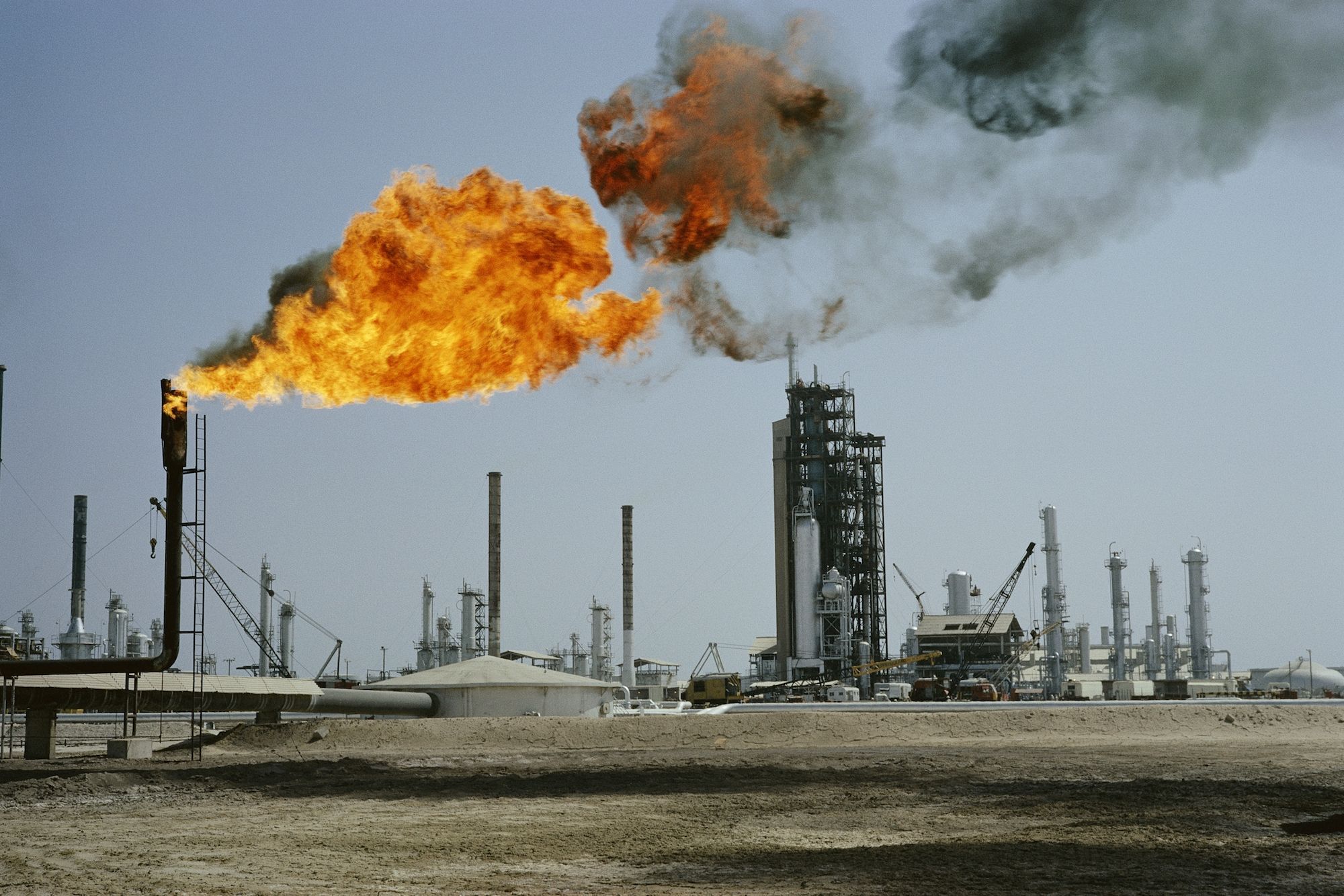
Just as individuals in recovery must acknowledge the extent of their addiction, society must confront the depth of its reliance on oil, coal, and natural gas. Fossil fuels have powered growth, comfort, and convenience for generations, but their costs are increasingly visible: rising global temperatures, extreme weather events, air pollution, and disrupted ecosystems. Recognizing these consequences is essential to building the motivation for change.

The Hidden Emotional and Social Impacts

Fossil fuel dependence does more than harm the environment. Communities exposed to pollution and climate-related disasters experience anxiety, stress, and trauma. These emotional and social consequences mirror the mental toll of addiction. Addressing fossil fuel reliance, therefore, is not only an environmental imperative but also a mental health concern.


Breaking the Cycle: Lessons from Recovery

Holistic Approaches to Change

At alt-fuel.info, holistic recovery emphasizes the interconnectedness of mind, body, and spirit. Overcoming fossil fuel dependence requires a similar perspective. Solutions must integrate technological innovation, community engagement, and personal responsibility. Renewable energy adoption, energy efficiency, and sustainable infrastructure all form parts of a comprehensive recovery strategy.

Small Steps Lead to Lasting Impact

In addiction treatment, small, consistent actions compound into meaningful change. The same applies to energy recovery. Choosing public transportation, reducing energy consumption, supporting clean energy initiatives, and advocating for sustainable policy create cumulative benefits that gradually break the cycle of dependence.


Community and Faith-Based Engagement

The Role of Compassion in Energy Recovery

Recovery is rarely a solo journey. Community support and faith-based guidance provide structure, accountability, and encouragement. Applying these principles to fossil fuel dependence means fostering collaboration among governments, businesses, and individuals. Communities can promote clean energy programs, educational campaigns, and local initiatives that encourage sustainable living.

Reconnecting with Purpose and Stewardship

Faith-informed approaches to recovery emphasize stewardship, responsibility, and ethical living. By reframing our energy choices as acts of care for creation, we align personal and societal actions with broader values. This sense of purpose strengthens commitment and supports long-term behavioral change.


Practical Steps Toward a Sustainable Future

  1. Invest in Renewable Energy – Support solar, wind, and biofuel initiatives locally and nationally.
  2. Reduce Consumption – Minimize unnecessary energy use in homes, workplaces, and transportation.
  3. Advocate for Change – Promote policies that encourage sustainable energy infrastructure and carbon reduction.
  4. Educate and Inspire Others – Raise awareness about fossil fuel impacts and recovery strategies.

These steps mirror the practices used in personal recovery: awareness, action, and sustained support.


Conclusion: Recovery Is Possible

Overcoming North America’s fossil fuel fixation will not happen overnight, but it is achievable. Like personal addiction, success requires honesty, holistic care, and collective effort. By acknowledging the harms, embracing renewable alternatives, and fostering community engagement, society can break free from destructive energy habits.

At alt-fuel.info, we understand the power of recovery—whether personal or environmental. If you are seeking support for addiction, emotional wellness, or simply want to contribute to a sustainable future, we are here to help. Every step toward change counts, and together we can create a healthier, more resilient world.

The journey to recovery starts today. The future depends on the choices we make.

From Black Gold to Broken Systems: Rethinking Our Energy Habits

Oil, often called “black gold,” has long powered North America’s growth and prosperity. It has fueled industry, transportation, and daily life, offering comfort and convenience. Yet, beneath the surface of this energy abundance lies a complex web of consequences. Environmental degradation, economic instability, and societal dependence reveal a system in need of critical re-evaluation. Like personal addiction, our reliance on oil has shaped habits, influenced decisions, and left long-term impacts that require reflection and recovery.

At alt-fuel.info, we recognize that sustainable change begins with awareness, compassion, and a commitment to holistic healing. Just as individuals can recover from addiction, society can rethink its energy habits and transition toward practices that promote both human and environmental well-being.


Understanding the Depth of Oil Dependence

A System Built on Consumption

North America’s infrastructure, economy, and lifestyle have been structured around oil for decades. This dependence provides short-term ease but creates long-term vulnerabilities. Like the repeated patterns seen in addiction, the cycle of consumption reinforces itself, making it difficult to break free without conscious effort.

The Hidden Costs of Comfort

While oil has fueled comfort and progress, it has also generated hidden costs: air pollution, water contamination, habitat destruction, and increased greenhouse gas emissions. The longer these systems operate without change, the more entrenched the dependence becomes. Acknowledging the harm is the first step toward meaningful reform.


Emotional and Social Parallels

How Energy Habits Affect Well-Being

Addiction is not only physical—it is emotional and social. Similarly, reliance on oil impacts communities, mental health, and social equity. Environmental degradation affects air quality, increases stress, and destabilizes vulnerable communities. People living in polluted or disaster-prone areas often experience anxiety, grief, and trauma. Recognizing these emotional consequences is essential for creating sustainable solutions.

Reconnecting with Responsibility

Just as individuals in recovery learn to take responsibility for their choices, society must confront the impacts of energy dependence. Building awareness about consumption patterns, environmental damage, and systemic risk empowers communities to take action and reclaim control over their future.


Rethinking Energy: From Dependence to Renewal

Transitioning to Sustainable Alternatives

Breaking the cycle of oil dependence requires exploring renewable energy options, including solar, wind, and biofuels. These alternatives reduce environmental harm and promote resilience. Transitioning systems requires both technological investment and cultural shifts, similar to adopting new habits in personal recovery.

Holistic Approaches for Communities and Individuals

At alt-fuel.info, holistic healing emphasizes mind, body, and spirit. Applying this perspective to energy means considering environmental, social, and economic factors in policy, community planning, and individual behavior. Sustainable energy practices not only protect the planet but also enhance collective well-being and mental health.


Practical Steps Toward Recovery

  1. Educate and Advocate – Understand energy sources and support clean alternatives.
  2. Reduce Consumption – Limit unnecessary driving, energy use, and waste.
  3. Invest in Renewables – Encourage adoption of solar panels, public transit, and eco-friendly technologies.
  4. Support Community Initiatives – Join local environmental programs that promote sustainability and awareness.

Each step mirrors recovery principles: awareness, action, and ongoing commitment to positive change.


Choosing Renewal Over Reliance

North America’s journey from “black gold” to broken systems demonstrates the dangers of unchecked dependence. Like personal addiction, reliance on oil requires honest assessment, courage to change, and dedication to healthier patterns. By embracing renewable energy, fostering community awareness, and applying holistic thinking, society can heal its energy habits and safeguard both the planet and future generations.

At alt-fuel.info, we understand the power of transformation, whether for individuals or communities. If you are seeking support in personal recovery or wish to engage in a more sustainable future, reach out today. Healing begins with the first step, and every effort contributes to a healthier, more resilient world.

The time to rethink, renew, and recover is now.

Toxic Dependence: The Emotional and Environmental Toll of Oil Reliance

Across North America, oil fuels more than our cars and industries—it fuels a dependency that mirrors the cycles of addiction seen in human behavior. Our heavy reliance on fossil fuels provides convenience, comfort, and economic growth, yet beneath the surface lies a growing crisis. The consequences of oil addiction reach beyond polluted skies and warming climates; they seep into the collective psyche, shaping how we live, think, and relate to the world around us. Healing from this toxic dependence requires the same holistic approach that guides addiction recovery: awareness, accountability, and a renewed sense of purpose.


Understanding the Parallels Between Oil Addiction and Human Addiction

In addiction treatment, professionals recognize that dependence often begins with good intentions—seeking relief, comfort, or control. Over time, however, what once provided ease becomes destructive. The same can be said for society’s relationship with oil. Initially seen as a tool of progress, it has grown into a force that traps nations in cycles of consumption and denial.

Just as an individual battling addiction struggles with withdrawal, societies experience economic and emotional resistance to change. We fear what life will look like without oil’s constant presence, even though its continued use harms both people and the planet. Recognizing this pattern is the first step toward transformation.

At alt-fuel.info, healing begins with honesty and compassion. The same principle applies to environmental recovery—facing the truth about our dependence allows space for healthier, more sustainable choices to emerge.


The Emotional Impact of a Culture Built on Consumption

Addiction, at its core, is an emotional and spiritual imbalance. It is a disconnection from self, from others, and from purpose. On a societal level, our oil dependence reflects a similar disconnection—from nature, from stewardship, and from long-term responsibility.

When communities are built on consumption rather than care, anxiety and despair often follow. People feel powerless against forces like pollution, climate change, and habitat destruction. These collective emotions mirror what many experience in addiction recovery: the struggle to regain control and the fear of change.

However, recovery is not about guilt—it is about growth. Just as individuals learn to rebuild their lives through therapy, community, and faith, society can begin to heal by reconnecting with the environment. That reconnection fosters emotional wellness, purpose, and hope for future generations.


Environmental Damage: The Physical Manifestation of Toxic Dependence

The environmental consequences of oil reliance are undeniable. Spills contaminate oceans and rivers. Air pollution affects respiratory health. Rising temperatures threaten food systems and biodiversity. These outcomes are the physical symptoms of a deeper, long-ignored addiction.

In addiction treatment, addressing the symptoms without treating the root cause rarely leads to lasting recovery. Similarly, fixing isolated environmental issues without confronting society’s dependency on oil will only delay healing. North America must move toward renewable energy solutions that align with holistic principles—solutions that restore balance instead of perpetuating harm.

Renewable energy, community action, and education serve as the “therapies” that can help break this destructive cycle. By investing in clean alternatives, we can begin to replace toxic habits with sustainable, life-giving practices.


Holistic Healing: A Model for Environmental Recovery

At alt-fuel.info, holistic healing is at the heart of recovery. This approach recognizes that mind, body, and spirit must work together for true wellness. The same philosophy applies to the environment. Healing the planet requires emotional, practical, and spiritual commitment.

Communities can take small but powerful steps: supporting clean energy initiatives, reducing consumption, and advocating for policies that protect ecosystems. These actions reflect the same courage individuals show in recovery—choosing healing over harm, awareness over denial, and hope over fear.

Faith-based and compassionate care reminds us that healing is not about perfection but about progress. Whether addressing personal addiction or environmental dependence, every small step forward matters.


Choosing Healing Over Habit

Oil dependence has taken a heavy emotional and environmental toll on North America. Yet, just as those in recovery discover, no addiction is too strong to overcome with the right support and intention. Healing begins when we acknowledge the harm, commit to change, and take action grounded in compassion and awareness.

At alt-fuel.info, we believe in the power of holistic recovery—not only for individuals but for our shared world. If you are struggling with addiction or seeking a renewed sense of balance, we are here to help you take the first step. Together, we can break toxic cycles and build a healthier, more sustainable future for both people and the planet.

Breaking the Cycle: How North America Can Heal from Its Oil Addiction

Across North America, our relationship with oil has become more than just dependence—it mirrors the patterns of addiction itself. Like any powerful substance, oil has fueled growth, comfort, and convenience, yet it has also led to serious consequences: environmental damage, economic instability, and emotional disconnection from the planet that sustains us. To move forward, we must treat this crisis not only as a political or technological issue but also as a moral and psychological one. Healing from oil addiction, much like recovering from personal addiction, begins with awareness, accountability, and the courage to change.


Acknowledging the Problem: Facing the Truth About Dependence

Healing always begins with honesty. In addiction recovery, the first step is recognizing the harm that dependence has caused. North America’s oil habit has created deep scars on the land and in the air—rising carbon emissions, polluted oceans, and disrupted ecosystems are all signs of a society that has lost balance. For decades, we have relied on oil to power our cars, industries, and homes, but that comfort has come with a cost.

Just as individuals in recovery confront the reality of their actions, communities must now face the truth about energy consumption. The acknowledgment of this dependence is not meant to bring guilt but rather to inspire transformation. True healing happens when awareness turns into responsibility.


The Emotional Parallels: Addiction and Environmental Harm

Oil addiction is not only a physical or economic problem—it reflects a deeper emotional and spiritual imbalance. In addiction treatment, professionals often explore what drives the compulsion: the need for control, comfort, or escape. On a societal level, our attachment to oil stems from similar desires. We crave convenience and stability, even when it harms our collective health.

At alt-fuel.info, the philosophy of recovery goes beyond breaking habits. It involves restoring harmony between mind, body, and spirit. Likewise, overcoming oil dependence requires holistic healing. This includes acknowledging the emotional roots of overconsumption and reconnecting with values like stewardship, gratitude, and respect for creation.


Building a New Path: Sustainable and Compassionate Solutions

In addiction recovery, lasting change happens when new, healthier habits replace old destructive ones. The same principle applies to energy use. North America has the power to transition toward renewable sources—solar, wind, and biofuels—that align with both environmental health and human wellbeing.

However, technology alone cannot fix a broken relationship with the planet. Healing requires compassion, faith, and collective action. Communities can embrace sustainable living practices such as public transportation, energy efficiency, and support for clean energy policies. On an individual level, small choices—reducing waste, choosing cleaner fuels, and supporting eco-conscious initiatives—can create a ripple effect of recovery across the continent.


Faith and Renewal: Finding Strength in a Shared Mission

Recovery often involves faith—faith in the process, in oneself, and in something greater. For many, this means reconnecting with spiritual values that promote care and compassion. Addressing oil addiction can be viewed through the same lens. It is an opportunity to renew our relationship with the earth, to rediscover humility, and to live in harmony with the environment rather than against it.

Holistic, faith-based healing recognizes that restoration is not just physical but emotional and spiritual. When we treat the planet with respect, we also nurture our own mental health and sense of purpose. Healing the earth becomes a reflection of healing ourselves.


Choosing Recovery Over Dependence

Breaking free from oil addiction is not an easy journey, but every recovery begins with a single, courageous decision—to change. North America’s path toward sustainability requires that same courage. Through awareness, compassion, and commitment, we can replace destructive dependence with renewal and resilience.

If you or someone you know is struggling with personal addiction or emotional imbalance, remember that healing is possible. At alt-fuel.info, we believe in holistic, individualized care that restores balance in both people and the planet. Reach out today and take the first step toward recovery—for yourself and for the world we share.

The Carbon Curse: Why Oil Addiction Is Driving North America’s Environmental Crisis

Every addiction begins with something that promises relief, progress, or comfort. Over time, though, that reliance becomes a trap—causing harm that ripples far beyond the individual. North America’s dependence on oil follows the same destructive pattern. What once powered growth has now become a dangerous addiction fueling climate change, environmental destruction, and emotional distress across communities.

At alt-fuel.info, we understand that true recovery requires more than willpower. It calls for awareness, compassion, and a commitment to healing the root causes of harm. The same approach applies to our relationship with fossil fuels. To break free from this “carbon curse,” North America must begin its own process of environmental recovery—one rooted in honesty, responsibility, and hope.

The Weight of the Carbon Curse

The Cycle of Dependence

Oil fuels almost every aspect of modern life—from cars and planes to heating systems and plastic production. Like an addictive substance, it seems indispensable. Yet beneath the surface lies a dangerous cost: pollution, rising global temperatures, and depleted ecosystems. The planet is signaling distress, and our collective denial mirrors the early stages of addiction, when warning signs are ignored.

When Convenience Becomes a Cage

Just as individuals trapped in addiction feel controlled by their habits, North America’s infrastructure and economy have been built around oil in ways that make change seem impossible. But recovery begins by facing the truth. Continuing down this path will only deepen the crisis and make healing harder to achieve later.

Environmental and Human Consequences

How Oil Fuels the Climate Crisis

Burning oil releases massive amounts of carbon dioxide, the main driver of global warming. This leads to more frequent wildfires, destructive hurricanes, and rising sea levels that threaten coastal cities. The environment’s struggle reflects the physical toll addiction takes on the human body—damage that accumulates silently until a breaking point is reached.

The Hidden Impact on Mental Health

Environmental instability affects more than air and water quality. It also harms mental health. Studies show that people living through climate disasters experience higher rates of anxiety, depression, and trauma. The emotional exhaustion of watching the world change before our eyes mirrors the despair individuals feel in addiction. Both require care, connection, and community to recover.

Toward Healing and Renewal

The Role of Compassionate Change

In addiction treatment, healing begins when a person feels supported, not judged. The same principle applies to environmental change. Blame does not build progress—compassionate, collective action does. By investing in renewable energy, reducing oil consumption, and supporting cleaner technologies, North America can begin its journey toward recovery.

Learning from Holistic Healing

Holistic recovery treats the whole person—mind, body, and spirit. Similarly, environmental healing must address the full picture: renewable infrastructure, mental health resilience, and faith-based stewardship of creation. This comprehensive approach builds both personal strength and planetary balance.

Building a Future Beyond the Carbon Curse

Small Steps, Lasting Change

Recovery is a gradual process. Each conscious decision—to conserve energy, choose sustainable products, or support policies that reduce emissions—creates momentum for broader transformation. Small actions, when sustained, lead to lasting healing.

A Shared Responsibility

Breaking free from oil addiction is not just an environmental issue. It is a moral and communal one. We owe it to future generations to protect their right to breathe clean air, drink pure water, and live in a stable climate. Healing begins when we accept that the well-being of people and the planet are deeply connected.

Choosing Recovery Over Ruin

The carbon curse has taken hold of North America, but it does not have to define its future. Like any addiction, it can be overcome through honesty, compassion, and commitment to transformation. The road ahead will not be easy, but healing rarely is.

At alt-fuel.info, we know that every step toward recovery—whether personal or environmental—matters. If you or someone you love is struggling with addiction, or if you want to be part of a movement toward holistic healing and sustainability, we are here to help. Together, we can break the cycle, restore balance, and create a future rooted in care and renewal.

The time to recover is now—for ourselves, for our communities, and for the Earth we share.

Crisis in the Making: Why North America’s Oil Dependence Demands Immediate Action

Addiction rarely begins with destruction. It starts with something that feels necessary or even beneficial—until the consequences become impossible to ignore. North America’s dependence on oil follows this same pattern. What began as an energy solution has evolved into an unsustainable habit, one that now fuels climate instability, economic vulnerability, and public health risks. The longer this dependence continues, the deeper the damage becomes.

At alt-fuel.info, we believe that recovery, whether personal or planetary, begins with awareness. Healing from addiction means recognizing harmful patterns and replacing them with healthier ones. In the same way, addressing oil dependence requires courage, compassion, and a willingness to embrace change before the crisis grows beyond repair.

Understanding the Depth of Dependence

How Oil Shapes Every Aspect of Modern Life

From powering vehicles to manufacturing goods, oil remains deeply woven into North American life. Its convenience masks its costs: air pollution, habitat destruction, and rising global temperatures. Like any addiction, the short-term benefits hide the long-term consequences.

Economic Vulnerability and False Security

Oil dependency also creates economic instability. When markets fluctuate or resources become scarce, entire industries and communities suffer. The illusion of stability mirrors the false sense of control seen in addiction—sustained by denial until the system begins to collapse.

The Environmental and Emotional Toll

Environmental Damage as a Mirror of Personal Struggle

Every barrel of oil extracted or burned adds to the environmental burden. Melting ice caps, severe storms, and record-breaking heat waves are the planet’s version of withdrawal symptoms—signs of distress demanding attention. These changes affect not only ecosystems but also human well-being.

The Link Between Climate Stress and Mental Health

Rising temperatures and natural disasters increase anxiety, grief, and trauma. Communities lose homes, jobs, and security. Individuals coping with addiction know this kind of instability well. The constant stress of living in crisis takes a toll on emotional health, making healing even harder. Addressing oil dependence must include compassion for both people and planet.

The Path Toward Recovery

Taking Action at Every Level

Recovery begins when we accept that change is necessary. On a societal scale, this means transitioning from oil to renewable energy sources. Solar, wind, and clean technologies offer pathways to sustainability and resilience. On a personal level, it means making mindful choices—driving less, supporting sustainable products, and advocating for environmental responsibility.

Lessons from Holistic Healing

Addiction recovery is most effective when it treats the whole person: mind, body, and spirit. The same is true for environmental healing. Governments must enact responsible policies, businesses must invest in clean energy, and individuals must commit to daily habits that support recovery. Healing our planet requires an integrated, faith-informed approach—one that values stewardship, accountability, and compassion.

Building a Future Rooted in Hope

Choosing Change Before It’s Too Late

Every recovery story begins with one critical moment: the decision to act. North America stands at that same crossroads. Continuing our current path will only deepen the crisis. But if we begin the process of recovery now, investing in cleaner energy and sustainable systems, we can protect the future for generations to come.

A Call to Awareness and Healing

At alt-fuel.info, we understand that lasting change is built through faith, community, and individualized support. Whether you are seeking freedom from addiction or hope for a healthier planet, the journey starts with awareness and continues with action.

Recovery Is Still Possible

North America’s oil dependence is not a permanent condition. Like any addiction, it can be overcome through honesty, commitment, and care. The environmental crisis is real, but so is our capacity for healing.

If you or someone you love is struggling with addiction, or if you believe in creating a better, more sustainable future, reach out today. At alt-fuel.info, we offer holistic, faith-based, and personalized care designed to heal both individuals and the communities they touch. Together, we can choose recovery—one person, one choice, and one step at a time.

The time for action is now. The healing begins with you.

Burning the Future: The Environmental Price of North America’s Oil Habit

Every addiction comes with a cost. For individuals, the toll is often hidden in strained relationships, declining health, and lost opportunities. For societies, dependence on harmful substances or behaviors creates ripple effects that harm entire communities. North America’s heavy reliance on oil mirrors this reality. What seems essential for daily life comes at a staggering environmental price: worsening climate change, rising pollution, and long-term ecological damage. Like personal recovery, addressing this habit requires honesty, awareness, and a commitment to healthier choices.

At alt-fuel.info, we understand recovery as a process of healing not only the individual but also the systems around them. Looking at our oil dependence through this lens reveals a parallel truth: the planet, much like people, can only heal when destructive cycles are replaced with sustainable ones.

The Climate Burden of Oil Use

How Oil Fuels the Crisis

Oil is the single largest contributor to greenhouse gas emissions in North America. Cars, trucks, airplanes, and industries rely on petroleum products that release carbon dioxide and methane, both powerful drivers of climate change. Rising global temperatures are not abstract numbers but lived realities, visible in extreme storms, deadly heat waves, and unpredictable weather patterns.

Mental Health Impacts of Climate Stress

These environmental changes also create emotional strain. Families living with climate-related disasters often face anxiety, grief, and trauma. Just as addiction weighs heavily on mental health, the stress of environmental instability erodes resilience and increases the need for supportive care.

Pollution and Public Health

Breathing in the Consequences

Oil consumption leads to widespread air pollution in the form of smog, soot, and toxic emissions. These pollutants increase asthma, lung disease, and heart conditions, especially in vulnerable communities. The connection between environmental harm and human suffering is undeniable. When the air we breathe makes us sick, the cycle resembles the way addiction damages both body and mind over time.

Communities in Recovery

Some communities have begun shifting toward renewable energy, cleaner transportation, and sustainable practices. Their example mirrors recovery journeys, where small but steady changes restore hope, health, and balance.

Ecological Damage Beyond Repair

Loss of Species and Habitats

From oil spills to pipeline construction, fossil fuel dependence disrupts ecosystems. Animals lose habitats, fish stocks decline, and biodiversity suffers. These losses echo the disconnection many experience in addiction, where vital relationships are broken and natural supports are cut away.

Why Ecosystem Health Matters

Biodiversity is not just about beauty. It stabilizes food systems, cleans water, and balances climates. Protecting these natural systems is essential for both planetary health and human well-being.

Choosing Recovery for the Planet

Building New Habits

Just as recovery replaces destructive behaviors with healthier patterns, North America must reduce its dependence on oil through renewable energy, public transportation, and community-led initiatives. Healing comes not only from letting go of what harms but also from embracing what heals.

A Holistic Path Forward

Holistic recovery teaches us that healing includes body, mind, and spirit. Addressing oil dependence requires the same approach: policy reform, technological innovation, and a cultural shift toward responsibility and care.

A Call to Healing

North America’s oil habit is burning the future, leaving behind scars that will last for generations. Yet just as individuals in recovery prove every day, change is possible. By acknowledging the harm, committing to healthier choices, and embracing holistic solutions, we can build a future where both people and the planet thrive.

At alt-fuel.info, we walk alongside individuals on their journey of healing with compassion and care. If you or a loved one is struggling with addiction, know that recovery is within reach. Together, we can break harmful cycles and create lives rooted in hope, balance, and renewal.

The time to begin healing—personally and collectively—is now.

Spills, Smog, and Species Loss: The Hidden Cost of Oil in North America

Addiction often hides behind routines that seem normal until the consequences become undeniable. North America’s heavy reliance on oil reflects this truth. While petroleum fuels transportation and industry, it also leaves behind a trail of environmental and human costs. From oil spills polluting waterways to smog affecting public health and species loss disrupting ecosystems, the toll is significant. Like personal addiction, dependence on oil creates cycles of harm that require honest reflection and intentional recovery.

At alt-fuel.info, we know that healing is never just about stopping destructive behavior. It is about addressing the deeper damage, rebuilding balance, and finding healthier ways forward. These same principles apply when examining the hidden costs of oil dependence across North America.

The Widespread Impact of Oil Spills

H2: Contamination of Water and Land

Oil spills devastate rivers, coastlines, and soil. Once spilled, oil lingers for decades, suffocating fish, poisoning birds, and contaminating drinking water sources. Just as unresolved trauma continues to affect an individual until treated, these environmental wounds persist long after the initial disaster.

H3: Communities Left Vulnerable

Oil spills are not only ecological crises but also human ones. Coastal communities lose livelihoods, Indigenous populations face cultural disruptions, and families are left with polluted environments. These struggles mirror the isolation and uncertainty individuals face in addiction, reminding us that recovery is as much about restoring communities as it is about healing individuals.

Smog and the Burden on Public Health

H2: The Link Between Oil and Air Quality

Burning oil for transportation and power releases pollutants that contribute to smog. This not only worsens climate change but also impacts human health, increasing rates of asthma, heart disease, and anxiety linked to poor air quality. The connection between environmental health and mental health is undeniable. Breathing unclean air every day places stress on the body and mind, similar to how ongoing addiction takes a silent but powerful toll.

H3: Emotional Weight of Living with Pollution

Families living in high-smog areas often experience fear for their children’s health, frustration over limited options, and grief for what has been lost. These emotional burdens parallel the struggles of individuals navigating addiction recovery, where unseen stressors weigh heavily on progress. Healing in both cases requires care that acknowledges the whole person: body, mind, and spirit.

Species Loss and Ecological Decline

H2: Oil’s Role in Habitat Destruction

Pipeline construction, drilling operations, and oil spills destroy and fragment habitats. From salmon in the Pacific Northwest to caribou in Canada, species across North America are declining as oil-driven development reshapes ecosystems. This ecological unraveling is like the isolation addiction creates, cutting individuals off from their support networks and vital connections.

H3: Why Biodiversity Matters for Recovery

Biodiversity provides more than beauty. It sustains food systems, protects water sources, and regulates climate. Its decline threatens stability for all life, much like how untreated addiction destabilizes families and communities. Protecting ecosystems is not only an environmental duty but also a form of collective recovery.

Toward Healing and Renewal

H2: Building Healthier Patterns

Just as recovery involves replacing destructive behaviors with healthier choices, reducing oil dependence means investing in alternatives. Renewable energy, public transportation, and sustainable policies can reduce the harm caused by fossil fuels. This path mirrors holistic healing, where growth comes not only from removing what is harmful but from actively cultivating what is life-giving.

H3: A Compassionate Call to Action

At alt-fuel.info, we believe in healing that honors the whole person. We also believe the planet needs the same care. Addressing oil dependence requires compassion, vision, and commitment to healthier patterns. Whether healing an individual or restoring ecosystems, change is possible when we choose courage over complacency.

Choosing Recovery for People and the Planet

North America’s dependence on oil has hidden costs that are no longer easy to ignore. Spills, smog, and species loss are reminders that the price of this addiction reaches far beyond convenience. Yet recovery—whether for individuals or societies—begins with awareness and grows through action.

If you or someone you love is struggling with addiction, we invite you to reach out. At alt-fuel.info, we offer holistic, faith-based, and individualized care that helps people rebuild healthier lives. Together, we can create a future where both people and the planet can heal.

Your path to renewal can start today.

Oil and the Earth: How Fossil Fuel Reliance Is Devastating North American Ecosystems

Addiction is not always obvious. Sometimes it hides behind everyday routines until the harm becomes undeniable. North America’s reliance on fossil fuels is one such addiction. While oil has powered growth and convenience for decades, it has also caused extensive harm to the environment. From polluted rivers to declining wildlife populations, the cost of this dependence is staggering. Much like personal addiction, breaking free requires awareness, courage, and a commitment to healing.

At alt-fuel.info, we understand that recovery is about more than removing the harmful behavior. It is about restoring balance, nurturing resilience, and creating a healthier future. The same holistic principles that help people overcome addiction can help society confront its unhealthy reliance on fossil fuels.

The Environmental Toll of Oil Dependence

Pollution of Air, Water, and Soil

Burning oil for transportation and industry is one of the largest contributors to air pollution in North America. Toxic emissions not only harm human health but also disrupt natural systems by altering climate patterns and acidifying ecosystems. Oil spills and pipeline leaks contaminate waterways, leaving behind damage that can persist for decades. Like untreated trauma in addiction, this environmental harm does not go away on its own.

The Strain on Wildlife

When habitats are contaminated or fragmented by drilling and pipelines, wildlife suffers. Caribou herds lose migration routes, salmon struggle in warmer, polluted streams, and bird populations decline due to oil spills along coastlines. This breakdown of ecosystems mirrors how addiction isolates individuals, cutting them off from the relationships and supports they need to thrive.

Climate Change: A Compounding Crisis

Fossil Fuels as a Driver of Instability

Oil is one of the main drivers of climate change. Rising temperatures and shifting weather patterns are already reshaping ecosystems across North America. Forests are burning more frequently, coastlines are eroding, and farmland is becoming less reliable. Just as addiction creates cycles of instability in a person’s life, oil reliance creates instability for entire communities and natural systems.

Human and Emotional Costs

The ecological fallout also affects mental and emotional health. Families displaced by flooding, farmers struggling through drought, and communities facing polluted air experience stress, anxiety, and grief. This emotional weight is similar to the burden individuals carry when navigating addiction. Both require compassionate care and holistic solutions that address the whole picture.

Pathways Toward Recovery and Renewal

Building Sustainable Alternatives

Recovery is never only about saying no to harmful behaviors. It is about building new patterns of living. For society, that means investing in renewable energy sources, improving public transportation, and supporting policies that reduce dependence on oil. These healthier choices reduce pollution, protect biodiversity, and create opportunities for future generations.

A Holistic Approach to Healing

At alt-fuel.info, we know true healing addresses body, mind, and spirit. The same is true when considering the planet. Protecting ecosystems requires not just technological fixes but also a cultural shift toward valuing balance, community, and long-term well-being. When we approach recovery—whether personal or environmental—with compassion and vision, transformation becomes possible.

Choosing Hope Over Harm

North America’s fossil fuel addiction has left ecosystems fragile and communities vulnerable. Yet, as in personal recovery, it is never too late to choose a healthier path. Healing begins with honesty about the harm and continues with small, intentional steps toward renewal.

If you or someone you care about is facing the weight of addiction, know that help is available. At alt-fuel.info, we offer individualized, holistic, and faith-based care designed to support lasting recovery. Together, we can nurture healing for both people and the planet.

Reach out today. Your journey toward renewal can begin now.

Crude Consequences: The Environmental Fallout of Excessive Oil Use

Addiction comes in many forms. While we often think of it in terms of substances that harm the body, there is another addiction that harms both people and the planet: oil dependence. Just as substance addiction creates cycles of harm that impact health, relationships, and communities, North America’s excessive use of oil is leaving behind deep scars on the environment. From polluted air to damaged ecosystems, the consequences are not just ecological—they are also personal. Healing requires awareness, accountability, and a commitment to change.

At alt-fuel.info, we understand that breaking free from destructive patterns, whether in personal life or in society’s dependence on oil, requires holistic support. By exploring the fallout of oil use, we can see parallels with recovery and begin to imagine healthier alternatives for the future.

The Hidden Costs of Oil Dependence

Air Pollution and Human Health

The burning of fossil fuels is one of the largest sources of air pollution. This pollution increases respiratory illness, heart disease, and mental health struggles. Communities living near refineries often suffer higher rates of illness, much like families impacted by substance addiction suffer consequences beyond their control. Addressing these hidden costs requires both prevention and treatment, just as it does in recovery.

The Stress on Mental Well-being

Environmental damage and pollution also weigh heavily on mental health. Living with constant smog, water contamination, or the fear of oil spills can create feelings of anxiety and hopelessness. In the same way individuals in recovery need emotional and spiritual support, communities facing environmental fallout need space to process trauma and pathways to healing.

Oil Spills and Ecological Damage

The Destruction of Biodiversity

Oil spills devastate oceans, rivers, and coastlines. Fish, birds, and marine mammals often die in massive numbers, and recovery can take decades. Ecosystems become fragile and unstable, much like a life caught in the cycle of addiction. These events remind us how difficult it is to repair what has been damaged when destructive habits continue unchecked.

Long-Term Impact on Communities

Communities dependent on fishing, tourism, or agriculture suffer when ecosystems collapse. Jobs are lost, families are displaced, and resilience is tested. This mirrors how addiction destabilizes families and livelihoods, requiring intentional and compassionate recovery work to rebuild what has been lost.

Pathways Toward Recovery

Investing in Healthier Alternatives

Recovery always involves choosing new, healthier paths. Just as individuals in treatment explore holistic healing, society must turn to renewable energy like solar, wind, and geothermal power. These alternatives not only reduce pollution but also create stability and long-term well-being for communities.

Building Resilience Through Holistic Change

At alt-fuel.info, we know recovery is not only about stopping harmful behavior but about building new patterns of living. This includes physical healing, emotional growth, and spiritual renewal. In the same way, breaking our dependence on oil requires holistic approaches that consider the health of ecosystems, communities, and future generations.

Conclusion: Choosing Healing Over Harm

The fallout of excessive oil use is more than an environmental issue—it is a reflection of a deeper dependence that threatens health, stability, and hope. Yet, just like addiction recovery, change is possible when we choose compassion, courage, and commitment.

If you or someone you care about is seeking support for addiction recovery, know that healing begins with one step. At alt-fuel.info, we provide compassionate, individualized care that honors your journey and helps restore balance in every area of life. Together, we can build a future rooted in healing—for ourselves, our communities, and the world we share.

Reach out today and take the first step toward recovery and renewal.