Crude Consequences: The Environmental Fallout of Excessive Oil Use

Addiction comes in many forms. While we often think of it in terms of substances that harm the body, there is another addiction that harms both people and the planet: oil dependence. Just as substance addiction creates cycles of harm that impact health, relationships, and communities, North America’s excessive use of oil is leaving behind deep scars on the environment. From polluted air to damaged ecosystems, the consequences are not just ecological—they are also personal. Healing requires awareness, accountability, and a commitment to change.

At alt-fuel.info, we understand that breaking free from destructive patterns, whether in personal life or in society’s dependence on oil, requires holistic support. By exploring the fallout of oil use, we can see parallels with recovery and begin to imagine healthier alternatives for the future.

The Hidden Costs of Oil Dependence

Air Pollution and Human Health

The burning of fossil fuels is one of the largest sources of air pollution. This pollution increases respiratory illness, heart disease, and mental health struggles. Communities living near refineries often suffer higher rates of illness, much like families impacted by substance addiction suffer consequences beyond their control. Addressing these hidden costs requires both prevention and treatment, just as it does in recovery.

The Stress on Mental Well-being

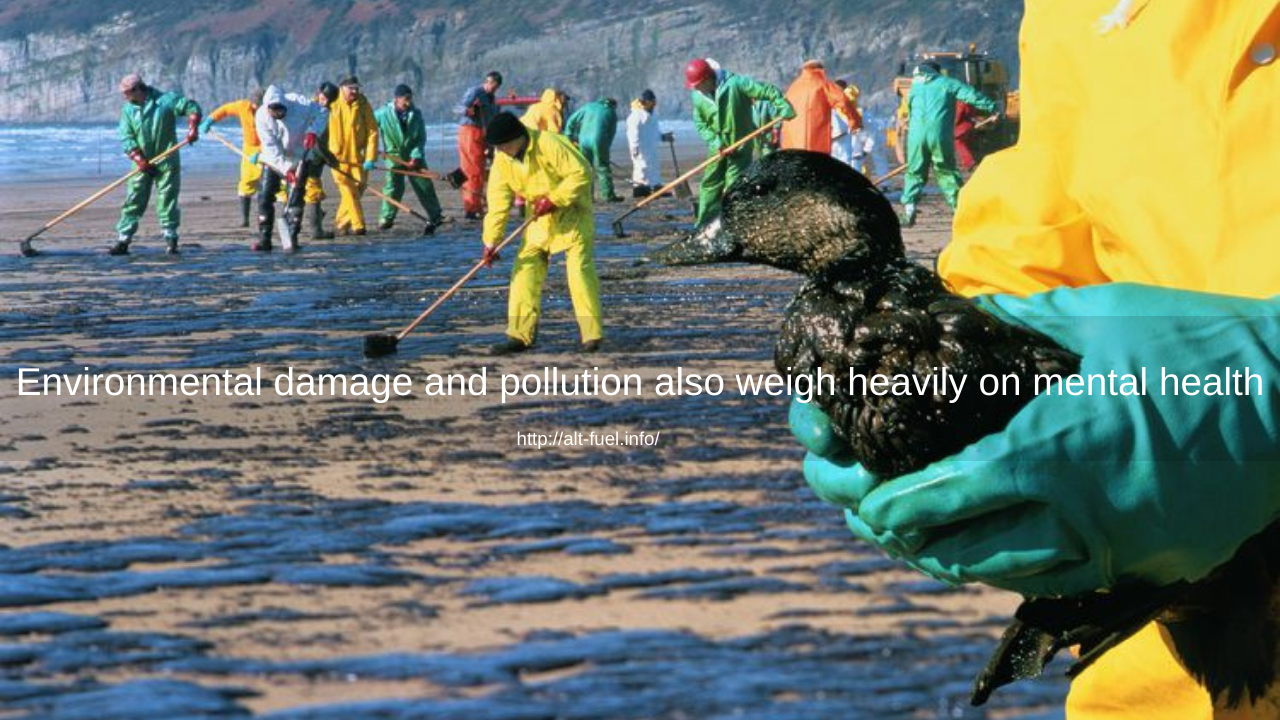
Environmental damage and pollution also weigh heavily on mental health. Living with constant smog, water contamination, or the fear of oil spills can create feelings of anxiety and hopelessness. In the same way individuals in recovery need emotional and spiritual support, communities facing environmental fallout need space to process trauma and pathways to healing.

Oil Spills and Ecological Damage

The Destruction of Biodiversity

Oil spills devastate oceans, rivers, and coastlines. Fish, birds, and marine mammals often die in massive numbers, and recovery can take decades. Ecosystems become fragile and unstable, much like a life caught in the cycle of addiction. These events remind us how difficult it is to repair what has been damaged when destructive habits continue unchecked.

Long-Term Impact on Communities

Communities dependent on fishing, tourism, or agriculture suffer when ecosystems collapse. Jobs are lost, families are displaced, and resilience is tested. This mirrors how addiction destabilizes families and livelihoods, requiring intentional and compassionate recovery work to rebuild what has been lost.

Pathways Toward Recovery

Investing in Healthier Alternatives

Recovery always involves choosing new, healthier paths. Just as individuals in treatment explore holistic healing, society must turn to renewable energy like solar, wind, and geothermal power. These alternatives not only reduce pollution but also create stability and long-term well-being for communities.

Building Resilience Through Holistic Change

At alt-fuel.info, we know recovery is not only about stopping harmful behavior but about building new patterns of living. This includes physical healing, emotional growth, and spiritual renewal. In the same way, breaking our dependence on oil requires holistic approaches that consider the health of ecosystems, communities, and future generations.

Conclusion: Choosing Healing Over Harm

The fallout of excessive oil use is more than an environmental issue—it is a reflection of a deeper dependence that threatens health, stability, and hope. Yet, just like addiction recovery, change is possible when we choose compassion, courage, and commitment.

If you or someone you care about is seeking support for addiction recovery, know that healing begins with one step. At alt-fuel.info, we provide compassionate, individualized care that honors your journey and helps restore balance in every area of life. Together, we can build a future rooted in healing—for ourselves, our communities, and the world we share.

Reach out today and take the first step toward recovery and renewal.

Nature in Peril: How Oil Addiction Threatens North America’s Biodiversity

Just as addiction in human life can take away health, stability, and hope, North America’s dependence on oil is stripping nature of its vitality. Our forests, rivers, oceans, and wildlife are paying the price for an energy habit that has gone unchecked for generations. Like the cycle of substance use, oil addiction is not only about immediate consumption but about long-term damage that touches every part of the ecosystem. Recognizing these consequences is the first step toward recovery—both for people and for the planet.

At alt-fuel.info, we understand that healing comes from awareness, compassion, and intentional change. The same principles that guide us in addiction recovery can guide us in rethinking our relationship with energy and nature.

Oil Addiction and Its Impact on Ecosystems

Habitat Loss and Fragmentation

Oil extraction often requires drilling, pipeline construction, and road building, all of which fragment habitats and displace wildlife. From caribou herds in Canada to migratory birds along the Gulf Coast, species lose access to food sources and safe breeding grounds. Over time, just as addiction erodes personal connections, oil dependence erodes the interconnected balance of ecosystems.

The Ripple Effect on Species

When one species suffers, the entire food chain feels the impact. Oil spills and contamination kill fish, which in turn affect birds and larger predators that rely on them. This mirrors how addiction affects not only the individual but also their family, community, and environment. Healing requires us to see the bigger picture.

Pollution as a Silent Threat

Air and Water Contamination

The burning of fossil fuels releases pollutants that harm both humans and wildlife. Air pollution contributes to respiratory illness in people while also impacting pollinators and plant life. Oil spills poison rivers and coastlines, causing mass die-offs of fish and marine mammals. Just as untreated trauma lingers in the human body, pollution lingers in soil and water for decades, making full recovery harder over time.

Climate Change and Shifting Habitats

Rising global temperatures, fueled by oil consumption, are altering where species can survive. Polar bears lose sea ice. Salmon struggle in warming streams. Birds shift migration patterns. This climate-driven displacement echoes the disorientation and instability felt by individuals in addiction. Without intervention, entire species risk extinction.

Healing Through Change

Finding Healthier Alternatives

Recovery, whether from addiction or from oil dependence, is about choosing healthier paths. Investing in renewable energy like wind, solar, and geothermal power creates sustainable solutions that protect biodiversity. Supporting clean transportation, reducing personal oil consumption, and advocating for responsible policies are steps each of us can take toward healing.

A Holistic View of Recovery

At alt-fuel.info, we believe that healing is never just about one part of life. Addiction recovery involves body, mind, and spirit. Environmental recovery requires the same holistic view—protecting land, air, water, and the creatures that depend on them. By valuing the well-being of nature, we also safeguard our own mental health, community resilience, and spiritual balance.

Choosing Life Over Destruction

North America’s oil addiction is threatening biodiversity in ways we can no longer ignore. Each lost species, each polluted river, and each degraded forest is a reminder of the cost of staying stuck in harmful patterns. But just as individuals in recovery prove every day, transformation is possible.

If you or someone you love is seeking healing, know that you are not alone. At alt-fuel.info, we are here to walk with you on a path toward recovery that restores health, dignity, and hope. The journey to healing ourselves and healing our planet begins with one choice at a time.

Reach out today. Together, we can choose recovery.

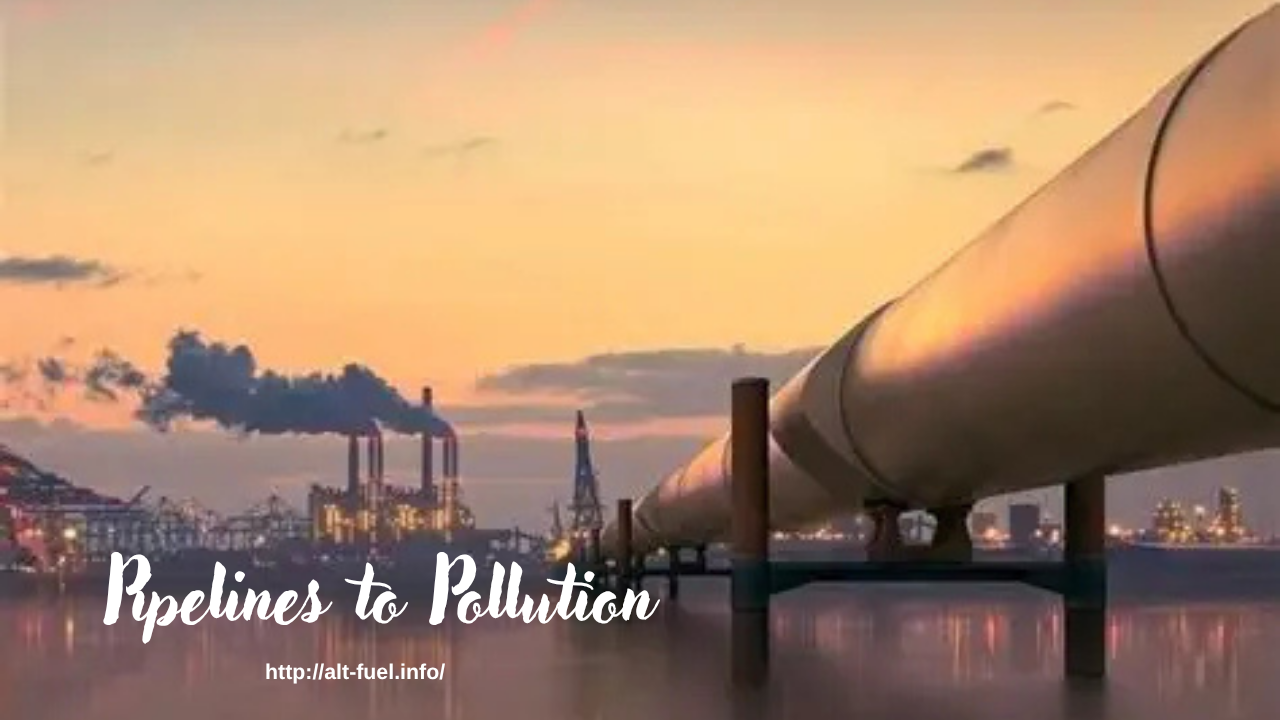
From Pipelines to Pollution: The Ecological Toll of Oil Dependence

North America’s dependence on oil may power daily life, but it comes with a heavy ecological toll—one that mirrors the often invisible costs of personal addiction. Just as untreated substance use can erode physical health, relationships, and self-worth, oil dependence steadily degrades our land, air, and water. Understanding this link can open a broader conversation about healing—both individually and environmentally.

At alt-fuel.info, we recognize the parallels between personal recovery and environmental responsibility. Healing isn’t just personal. It’s also collective. The same compassionate, holistic principles that guide addiction recovery can inspire the way we treat our planet.

The Journey of Oil: From Extraction to Exposure

The Cost of Digging Deeper

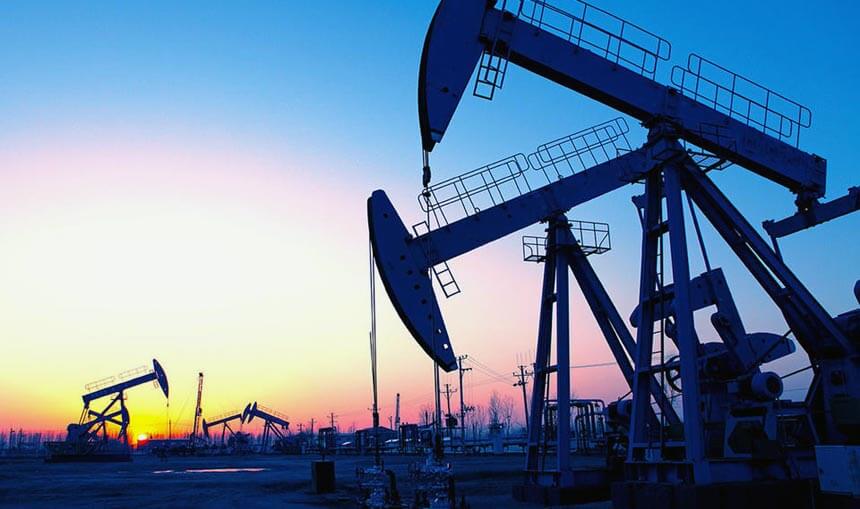
Oil extraction may begin underground, but its impact travels far beyond the drill site. Whether it’s through offshore rigs, fracking wells, or cross-country pipelines, each method of harvesting oil leaves behind environmental scars. Habitats are disrupted. Water tables are contaminated. Communities—often rural, Indigenous, or economically disadvantaged—face increased risk of pollution and displacement.

Much like substance use creates ripple effects within families, oil production damages not just the source but everything connected to it.

Pipelines: Infrastructure or Invasion?

Pipelines are often marketed as efficient solutions for oil transport, but they are also frequent sources of leaks and spills. These spills can contaminate rivers, destroy local ecosystems, and lead to long-term soil degradation. The psychological toll on nearby communities—who often feel unheard or dismissed—reflects the emotional trauma felt by those struggling with addiction in silence.

The lesson is clear: when we ignore harm at its source, the damage only grows.

The Aftermath: Pollution in Our Daily Lives

Air and Water Quality at Risk

Burning oil releases toxic pollutants into the air, contributing to respiratory diseases, heart conditions, and premature death. In many cases, these pollutants disproportionately affect communities already struggling with health disparities and limited access to care. Polluted water, especially from oil spills or runoff, threatens drinking sources and aquatic life.

This chronic exposure is like untreated trauma. Left unaddressed, it poisons the system over time, reducing resilience and increasing vulnerability.

Environmental Injustice and Mental Health

The emotional toll of environmental degradation cannot be overlooked. Communities that live closest to extraction and pollution sites often suffer from stress, anxiety, and grief. The loss of clean environments, cultural landmarks, or safe neighborhoods mirrors the emotional and spiritual losses experienced in addiction.

At alt-fuel.info, we believe that holistic recovery includes addressing all aspects of suffering—physical, emotional, and environmental.

Pathways to Healing: Breaking Free from Oil Dependence

Building a Future Rooted in Recovery and Renewal

Just as addiction recovery involves practical steps like therapy, support groups, and medical care, breaking free from oil requires actionable alternatives. Investment in clean energy, public transportation, and sustainable infrastructure can replace destructive cycles with empowering ones.

Communities that once depended on oil can transition to jobs in renewable industries. Individuals can make changes, too—choosing greener transportation, supporting environmental policies, and educating others about the impact of oil.

Healing starts with awareness, but it continues through intentional, compassionate action.

Conclusion: Choosing Recovery—for Ourselves and the Planet

Our relationship with oil has become toxic. It is rooted in short-term comfort but sustained by long-term harm. At alt-fuel.info, we understand how difficult it is to break a pattern that once seemed necessary. But just as we guide individuals through addiction recovery with personalized, faith-based care, we also believe in guiding society toward environmental healing with hope and clarity.

If you or someone you love is struggling with the burden of addiction—whether personal or environmental—we invite you to take the next step. True recovery is possible. It begins with compassion, it grows through connection, and it succeeds with support.

Reach out today. Let’s heal together.

Fueling the Fire: The Climate Cost of North America’s Love Affair with Oil

North America’s deep reliance on oil has long driven industrial expansion, personal mobility, and economic growth. From highways packed with gas-powered vehicles to sprawling cities built around the automobile, oil has shaped the continent’s modern way of life. However, this love affair with oil comes at a high climate cost—one that grows more dangerous with each passing year. As the planet warms and extreme weather events become more frequent, the role of oil consumption in fueling the climate crisis can no longer be ignored.

Oil and Greenhouse Gas Emissions

The burning of oil is a leading contributor to greenhouse gas (GHG) emissions, especially carbon dioxide (CO₂), which traps heat in the Earth’s atmosphere and accelerates global warming. In North America, transportation alone—powered largely by gasoline and diesel—accounts for a significant portion of CO₂ emissions. Millions of vehicles, planes, and trucks run daily on fossil fuels, releasing pollutants that contribute to rising global temperatures.

Power generation and industrial processes, many of which still rely heavily on oil, add further emissions. Despite growing awareness of climate change and increased investment in renewables, oil continues to dominate energy consumption across much of the continent.

Escalating Climate Impacts

The consequences of this dependence are becoming more visible and severe. North America is already experiencing the direct impacts of climate change: rising sea levels threaten coastal cities, prolonged droughts damage agriculture, wildfires destroy forests and communities, and extreme storms cause costly devastation. Each of these events is intensified by the warming caused by greenhouse gas emissions—of which oil plays a central role.

The economic cost is staggering. Billions of dollars are spent annually on disaster response, insurance payouts, lost productivity, and rebuilding efforts. These damages not only strain public budgets but also disproportionately impact vulnerable communities, deepening social and economic inequalities.

Environmental and Public Health Consequences

Beyond climate change, oil-related pollution damages ecosystems and harms public health. Oil extraction methods, such as offshore drilling and fracking, pollute water sources and disrupt wildlife habitats. Oil spills—both large-scale disasters and smaller pipeline leaks—leave lasting scars on the environment. The refining and combustion of oil also release toxins into the air, contributing to respiratory diseases, cardiovascular problems, and premature deaths.

In communities located near refineries, highways, or drilling sites, these health risks are often most severe. Low-income and Indigenous populations frequently bear the brunt of the environmental damage caused by oil production and consumption.

The Urgent Need for Change

To mitigate the climate cost of oil, North America must drastically reduce its dependence on fossil fuels. This means accelerating the shift to renewable energy, expanding public transportation, investing in electric vehicle infrastructure, and enacting strong emissions regulations. Government action, corporate responsibility, and public awareness must align to push for meaningful change.

Conclusion

North America’s ongoing dependence on oil is not just an energy issue—it is a climate emergency. The longer this addiction continues, the more severe the consequences will become. By breaking the cycle and embracing sustainable alternatives, North America has the power to lead the global fight against climate change and protect the planet for future generations.

Running on Empty: Why North America’s Oil Addiction Is Unsustainable

North America’s heavy reliance on oil has long fueled economic development, transportation, and industry. From powering millions of vehicles to driving global trade, oil has become deeply embedded in daily life across the United States and Canada. However, this dependence is proving to be unsustainable—economically, environmentally, and geopolitically. As the consequences mount, it is clear that continuing down this path will lead to long-term instability and missed opportunities for a cleaner, more resilient future.

Environmental Degradation

Perhaps the most pressing reason North America’s oil addiction is unsustainable lies in its environmental impact. Burning oil releases massive amounts of carbon dioxide (CO₂), a major contributor to climate change. The continent is already experiencing the effects—more frequent wildfires, severe storms, flooding, and rising sea levels. These events are not only devastating communities and ecosystems but also imposing significant financial burdens on governments and taxpayers.

Moreover, oil extraction methods such as fracking and offshore drilling further damage the environment. They contaminate water sources, degrade landscapes, and disrupt wildlife habitats. Oil spills—like the Deepwater Horizon disaster—highlight the devastating risks associated with continuing to extract and transport fossil fuels.

Economic Vulnerability

While oil has powered North America’s prosperity for decades, it also exposes the region to economic instability. Oil prices are notoriously volatile, influenced by global supply chains, geopolitical tensions, and market speculation. When prices rise, consumers pay more at the pump and face higher costs for goods and services. When prices fall, oil-producing regions suffer job losses, reduced tax revenues, and economic downturns.

This boom-and-bust cycle makes it difficult for both households and governments to plan for the future. It also discourages investment in more stable and sustainable industries. By staying tethered to oil, North America risks falling behind other countries that are rapidly transitioning to renewable energy sources and building future-proof economies.

Geopolitical Risks

North America’s oil addiction also carries geopolitical consequences. Despite being a major oil producer, the region remains entangled in the global oil market. Events in distant countries—such as wars, embargoes, or OPEC production cuts—can cause immediate shocks to domestic fuel supplies and prices. Maintaining influence in oil-rich regions often leads to costly foreign policy entanglements and military interventions that divert resources from pressing domestic needs.

Additionally, as the world moves toward climate commitments and cleaner energy, countries still heavily invested in oil may face diplomatic pressure, trade penalties, and reputational damage. A failure to act swiftly could isolate North America on the global stage.

The Path Forward

Breaking free from oil dependence is not only necessary but achievable. Investments in renewable energy, public transportation, electric vehicles, and energy-efficient infrastructure can significantly reduce oil use. Government policies—such as carbon pricing, fuel economy standards, and clean energy subsidies—can accelerate the transition. Meanwhile, public education and community engagement can help shift cultural norms away from fossil fuel reliance.

Conclusion

North America is running on empty—environmentally, economically, and politically. Its continued addiction to oil is unsustainable and poses serious risks to future generations. The time for a bold transition to cleaner, smarter energy solutions is now. By investing in sustainability today, North America can ensure a healthier, more secure tomorrow.

The Geopolitical Implications of North America’s Oil Addiction

North America’s long-standing dependence on oil has far-reaching consequences, not only for the environment and economy but also for its geopolitical relationships. While oil has powered growth and industrial development, it has also locked the continent into complex global dynamics that often fuel conflict, compromise foreign policy, and limit energy independence. As the world moves toward a more sustainable future, the geopolitical implications of North America’s oil addiction are increasingly evident—and increasingly urgent to address.

Dependence on Global Oil Markets

Despite substantial oil production in the United States and Canada, North America remains heavily tied to the global oil market. Crude oil is a globally traded commodity, meaning that even domestic producers are affected by international prices, supply disruptions, and political instability in oil-producing regions. This interdependence creates economic vulnerability and constrains foreign policy decisions.

For example, tensions or conflicts in the Middle East—home to a significant portion of the world’s oil reserves—can disrupt supply chains and spike oil prices globally, including in North America. Such volatility impacts everything from transportation costs to consumer goods, and can even lead to inflation and economic downturns.

Foreign Policy and Military Engagements

Oil has been a driving force behind many foreign policy decisions and military interventions over the past several decades. North America, especially the United States, has often prioritized securing oil access in its international strategy. This has led to prolonged military presence and involvement in geopolitically sensitive regions, particularly the Persian Gulf.

Critics argue that these oil-motivated policies have entangled North America in conflicts that drain resources, cost lives, and sometimes destabilize entire regions. The desire to maintain influence in oil-rich areas often supersedes human rights concerns or democratic values, complicating diplomatic efforts and international relations.

Strained International Relations and Trade

North America’s oil consumption also contributes to global emissions, drawing criticism from other nations as the world works toward climate goals. As countries increasingly commit to reducing fossil fuel use, those that remain dependent on oil risk becoming isolated or subjected to international pressure and penalties.

Additionally, energy trade has become a strategic tool in international relations. Countries rich in oil and gas—such as Russia, Saudi Arabia, and Venezuela—can use their resources as leverage, exerting influence over energy-dependent nations. North America’s continued reliance on oil exposes it to manipulation or coercion in trade negotiations and global alliances.

Energy Transition and Global Leadership

Transitioning away from oil could shift the geopolitical landscape in North America’s favor. By investing in clean energy technologies and reducing fossil fuel dependence, the continent could gain energy independence, reduce military entanglements, and enhance its credibility as a global leader in climate action.

Clean energy leadership would also open new opportunities for international collaboration, innovation, and economic development. Exporting renewable technologies instead of importing oil could redefine North America’s role on the global stage.

Conclusion

North America’s oil addiction has profound geopolitical implications, influencing everything from foreign policy to global trade. To build a more stable and independent future, it must reduce its dependence on oil and embrace sustainable energy solutions. Doing so will not only strengthen national security and economic resilience but also enhance North America’s standing in a rapidly changing world.

The Future of Transportation: Reducing Oil Dependence in North America

Transportation is the backbone of modern society, enabling the movement of people and goods across vast distances. In North America, however, this sector is also a primary driver of oil consumption, accounting for a significant share of greenhouse gas emissions and air pollution. As climate change intensifies and the world shifts toward sustainable energy, the future of transportation in North America must evolve rapidly. Reducing oil dependence is not only a necessity for the environment but also a strategic move toward economic resilience and energy security.

The Current Landscape

In the United States and Canada, transportation systems are largely built around automobiles, trucks, and airplanes—most of which run on gasoline or diesel. Decades of car-centric urban planning have created sprawling cities and suburbs that rely heavily on personal vehicles. At the same time, freight transport is dominated by long-haul trucking, which consumes vast amounts of fossil fuels.

This oil-heavy model is increasingly unsustainable. Volatile oil prices, rising emissions, and aging infrastructure are exposing the vulnerabilities of North America’s transportation system. The good news is that a combination of technological innovation, policy reform, and consumer behavior change offers a pathway to a cleaner, more efficient future.

Electrifying Transportation

One of the most promising solutions for reducing oil dependence is the widespread adoption of electric vehicles (EVs). EVs produce zero tailpipe emissions and can be powered by renewable energy sources such as solar and wind. Governments across North America are already incentivizing EV adoption through tax credits, rebates, and investments in charging infrastructure.

Major automakers are also shifting their production lines toward electric models, signaling a long-term commitment to electrification. However, to truly scale EV adoption, further investments are needed in charging networks, battery technology, and grid capacity. Additionally, ensuring that EVs are accessible to all income levels will be essential for equitable progress.

Public Transit and Urban Redesign

Another key strategy involves expanding public transportation systems. Efficient, affordable buses, subways, and commuter rail lines can significantly reduce the need for personal vehicles. Encouraging mass transit use not only cuts oil consumption but also eases traffic congestion and improves air quality.

Cities must also rethink their design. Compact, mixed-use urban planning allows people to live closer to where they work, shop, and socialize—reducing the need for long commutes. Investments in bike lanes, pedestrian pathways, and micro-mobility options (like e-scooters and bike-sharing) offer additional ways to reduce car dependency.

Freight and Aviation Innovation

Reducing oil use in freight and aviation will require a mix of technological and logistical improvements. Electrification of delivery fleets, greater use of rail transport, and cleaner aviation fuels can all help. Logistics optimization—using data to reduce empty miles and streamline routes—can also lower fuel use.

The Road Ahead

The future of transportation in North America is at a turning point. Reducing oil dependence is not just an environmental imperative—it’s a chance to create cleaner cities, healthier communities, and more resilient economies. Through bold policy decisions, strategic investments, and collective effort, North America can lead the world in building a sustainable transportation future.

Public Policy Solutions for Tackling Excessive Oil Consumption in North America

Excessive oil consumption in North America presents a serious challenge for environmental sustainability, economic stability, and public health. With transportation, industry, and power generation still heavily reliant on fossil fuels, North America remains one of the world’s largest consumers of oil. As the effects of climate change grow more severe and global markets shift toward cleaner alternatives, it’s clear that public policy must play a central role in steering the region toward a more sustainable energy future. Several targeted policy solutions can help reduce oil consumption and promote long-term resilience.

1. Phasing Out Fossil Fuel Subsidies

One of the most effective steps governments can take is to eliminate subsidies for oil and gas companies. These subsidies—often in the form of tax breaks, grants, or regulatory leniency—artificially lower the cost of oil production and consumption, encouraging continued overuse. Redirecting these funds toward renewable energy projects, electric vehicle infrastructure, and energy efficiency programs would not only reduce emissions but also stimulate innovation and job growth in clean energy sectors.

2. Implementing Carbon Pricing

A well-designed carbon pricing system, such as a carbon tax or cap-and-trade program, internalizes the environmental costs of fossil fuel use. By making oil consumption more expensive in proportion to its carbon footprint, carbon pricing encourages businesses and consumers to adopt cleaner alternatives. Canada has already implemented a national carbon pricing system, and similar policies in U.S. states like California have shown promising results. Expanding these efforts across North America could drive significant reductions in oil use.

3. Strengthening Fuel Efficiency Standards

Improved fuel economy standards for vehicles can have an immediate impact on oil consumption. By requiring automakers to produce more fuel-efficient cars, trucks, and SUVs, governments can help reduce the overall demand for gasoline and diesel. Updating standards regularly to reflect technological advances ensures continual progress. Pairing these mandates with incentives for electric vehicle (EV) production and adoption can accelerate the shift away from oil-powered transportation.

4. Investing in Public Transportation and Infrastructure

Expanding and modernizing public transit systems is crucial for reducing oil dependence, particularly in urban and suburban areas where car travel dominates. High-quality, affordable transit options reduce the need for personal vehicle use, cutting both emissions and fuel consumption. At the same time, investments in biking infrastructure, pedestrian-friendly city planning, and rail systems for freight can collectively reduce transportation’s oil footprint.

5. Supporting Clean Energy Research and Development

To reduce reliance on oil, North America must prioritize research and development in renewable energy technologies, battery storage, and alternative fuels. Public funding for universities, national labs, and private sector collaborations can accelerate breakthroughs that make clean energy more affordable and accessible. Policy frameworks that support pilot programs and commercialization efforts can help bring these innovations to scale.

Conclusion

Public policy holds the key to curbing excessive oil consumption in North America. Through a combination of regulatory reforms, targeted investments, and market-based incentives, governments can lead the transition to a cleaner, more resilient energy system. These strategies not only address the environmental harms of oil use but also strengthen economic competitiveness and protect public health in the face of a rapidly changing world.

The Role of Big Oil in North America’s Growing Energy Crisis

As the world grapples with the urgent need to address climate change and transition to sustainable energy sources, North America finds itself at a critical crossroads. At the heart of the region’s growing energy crisis lies the influence of Big Oil—an industry that has long shaped energy policy, economic development, and public perception. While these corporations have contributed significantly to North America’s industrial growth and energy security, their continued focus on fossil fuel production is increasingly at odds with environmental and economic sustainability.

A Legacy of Influence

Big Oil companies, including ExxonMobil, Chevron, Shell, and others, have held tremendous sway over North American energy policies for decades. Through lobbying efforts, campaign contributions, and strategic partnerships with governments, these companies have helped craft regulations that favor oil exploration and production. Subsidies and tax breaks have allowed them to maintain profitability even during periods of market volatility, reinforcing oil’s dominant role in the energy mix.

This deep entrenchment has made it difficult for renewable energy alternatives to compete on equal footing. Despite the declining costs of solar and wind power, Big Oil’s influence ensures that fossil fuels remain subsidized and prioritized, hindering meaningful progress toward a cleaner energy economy.

Delaying the Transition

Big Oil’s role in delaying the transition to renewable energy is perhaps the most critical aspect of North America’s energy crisis. While many oil giants now tout investments in clean energy, these investments often represent a small fraction of their overall spending. In reality, most of their capital continues to flow into new oil and gas projects, even as climate scientists warn of the need to leave much of the world’s fossil fuel reserves in the ground.

Moreover, several oil companies have been accused of downplaying or denying the impacts of climate change, despite having internal research that confirmed its risks. This strategy has sown public confusion and delayed decisive policy action, allowing oil consumption and emissions to continue rising.

Economic and Environmental Consequences

The continued dominance of Big Oil comes at a steep price. Economically, North America’s dependence on oil exposes it to market shocks caused by geopolitical conflicts, supply chain disruptions, and global price swings. Environmentally, the extraction, refinement, and burning of oil contribute heavily to air and water pollution, biodiversity loss, and climate change.

Oil spills, pipeline leaks, and industrial accidents have left a lasting scar on ecosystems and communities, from the Gulf of Mexico to the Canadian tar sands. Meanwhile, rising global temperatures threaten infrastructure, agriculture, and public health—costs that are increasingly borne by taxpayers rather than oil companies.

The Need for Accountability and Reform

To address the energy crisis, North America must hold Big Oil accountable and reorient its energy policies toward sustainability. This includes ending fossil fuel subsidies, implementing strict emissions regulations, and increasing support for clean energy innovation. Transparency around lobbying activities and climate risk disclosures should be mandatory, and oil companies must be required to take responsibility for their environmental impact.

Conclusion

Big Oil has played a central role in shaping North America’s energy landscape—but its continued grip on power is a major barrier to progress. Solving the growing energy crisis will require breaking this dependency, accelerating the transition to renewables, and building a system that prioritizes people and the planet over profit.

Is North America Ready to Transition Away from Oil?

As the global push for cleaner energy gains momentum, a pressing question looms over the continent: Is North America ready to transition away from oil? The answer is complex. While there are promising developments in renewable energy, electric vehicles, and public awareness, significant challenges remain. Economic dependence on oil, political inertia, and infrastructure limitations continue to slow progress. However, the growing urgency of climate change and technological advancements are pushing North America closer to a post-oil future.

The Progress So Far

In recent years, North America has made notable strides toward reducing its reliance on oil. The U.S. and Canada have both seen increases in renewable energy generation, with wind and solar power leading the charge. Electric vehicle (EV) adoption is on the rise, aided by government incentives, declining battery costs, and improved charging infrastructure. States and provinces are setting ambitious targets to cut emissions and invest in clean energy technologies.

Many major cities across the continent are improving public transit systems, encouraging walkability, and implementing climate action plans. Corporations are also stepping up, with a growing number committing to carbon neutrality and shifting their operations toward sustainable practices.

The Barriers to Transition

Despite this progress, North America is still deeply entrenched in oil. The transportation sector, particularly in the United States, remains heavily dependent on gasoline and diesel. Urban sprawl, a lack of robust public transit in many regions, and a deeply ingrained car culture present major hurdles.

Economically, millions of jobs and billions of dollars in tax revenue are tied to the oil industry. From extraction to refining, oil is a cornerstone of many local economies, particularly in states and provinces like Texas, Alberta, and North Dakota. Transitioning away from oil without disrupting these economies requires careful planning, retraining programs, and investment in alternative industries.

Politically, energy policy is often a divisive issue. While some governments and leaders are aggressively pushing for green energy, others resist change due to economic concerns or ideological divides. This inconsistency creates uncertainty and slows momentum.

Infrastructure and Investment Needs

For North America to truly move away from oil, it must overhaul its energy infrastructure. The electric grid needs modernization to handle distributed renewable energy sources and increased electricity demand from EVs. Rural areas and underserved communities require equitable access to clean energy and transportation solutions.

Massive investment is also needed to scale up battery storage, expand public transit, and build out charging networks. Without these changes, clean energy alternatives may remain inaccessible or inconvenient for many citizens.

A Question of Will and Vision

Ultimately, North America’s readiness to transition away from oil is not just a matter of technology—it’s a matter of political will and societal vision. The tools and knowledge exist. What’s needed now is bold leadership, sustained public pressure, and coordinated policy efforts that prioritize sustainability over short-term gains.

Conclusion

North America is on the path to reducing its oil dependence, but the journey is far from over. The region has the potential, innovation, and resources to lead the global transition to clean energy—but only if it chooses to act decisively. The question isn’t whether the continent can transition from oil, but whether it’s truly ready to commit to the change.